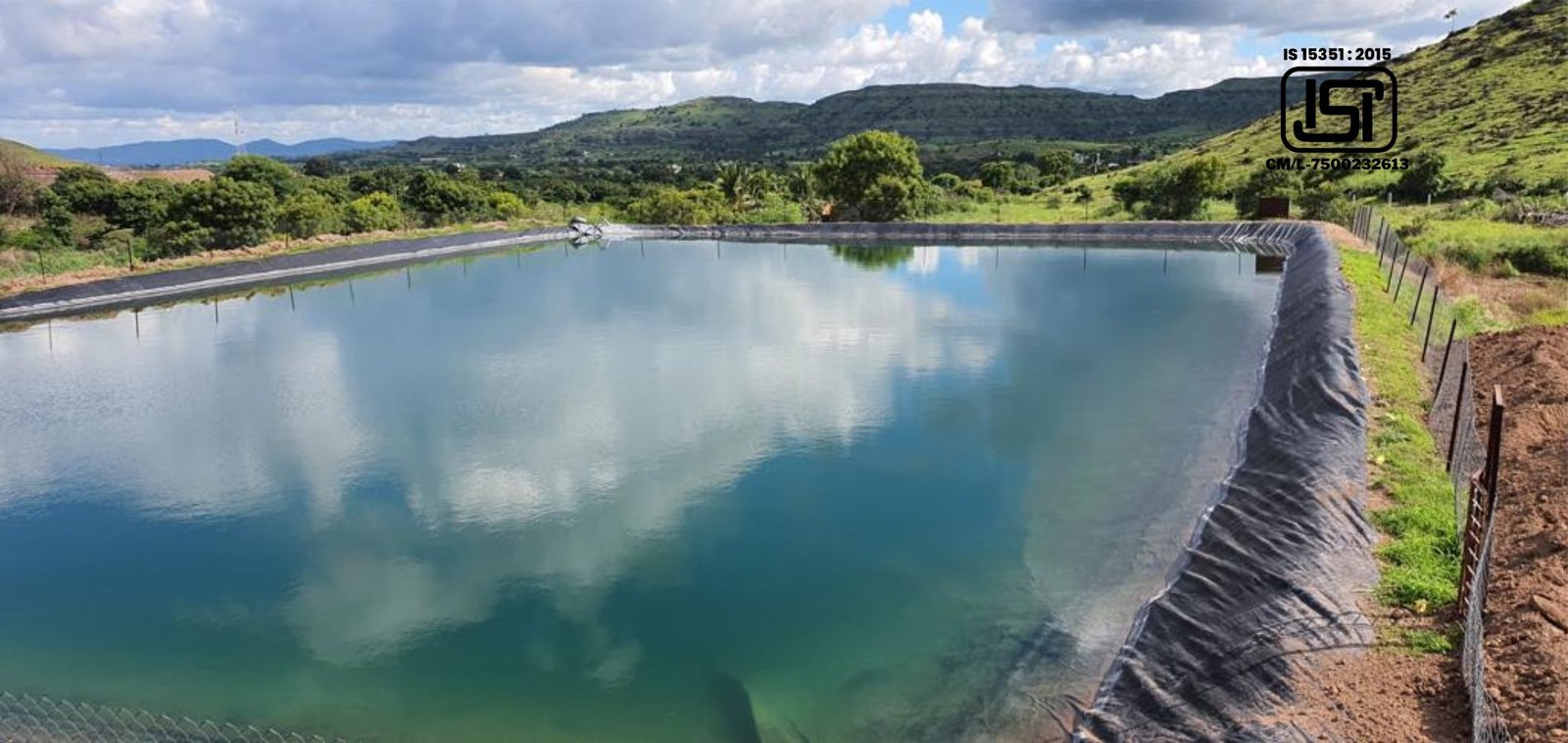
Water distribution is an important part of farm irrigation planning. Even when water is available, farmers need a proper system to move water from the source to different parts of the field. Good water distribution helps crops receive water more effectively and supports better use of available resources.
In many farms, water may come from wells, borewells, farm ponds, canals, storage tanks, or reservoirs. But if the water is not distributed properly, some areas may receive excess water while others may remain dry. This can affect crop growth, soil condition, and overall farm efficiency.
Proper water distribution starts with understanding the farm layout. Farmers should consider field size, crop type, slope, water source, distance from source, irrigation method, and water pressure requirements. A planned layout helps reduce wastage and makes irrigation easier to manage.
One major benefit of good water distribution is better irrigation control. When water reaches the required area in a planned way, farmers can manage irrigation timing more effectively. This helps reduce unnecessary water loss and supports healthier crop growth.
Water distribution also helps reduce labour work. Without a proper system, farmers may need to shift pipes, manage uneven flow, or spend extra time moving water across the field. A suitable water distribution setup can make irrigation more organized and convenient.
For vegetable farms, horticulture crops, nurseries, and protected cultivation, controlled water movement is especially important. These farming systems often need regular and timely irrigation. A reliable distribution system helps maintain better crop care and reduces stress during dry periods.
Water-use efficiency is becoming more important in modern agriculture. Farmers are now looking for practical ways to use water carefully, avoid wastage, and support crop productivity. Proper water distribution plays a direct role in this process.
Agrination India offers practical agriplastic solutions that support irrigation, water distribution, water storage, crop protection, nursery use, and farm utility applications. These solutions are suitable for farmers, growers, nurseries, and agricultural projects looking for reliable field-ready support.
Improving water distribution is not only about selecting pipes or hoses. It also includes proper planning, correct installation, suitable connections, pressure management, regular inspection, and careful handling. When these steps are followed, farmers can reduce water loss and improve irrigation performance.
As farming becomes more focused on resource saving and productivity, water distribution will continue to play an important role. With the right approach, farmers can manage irrigation more efficiently and support better crop growth across the field.